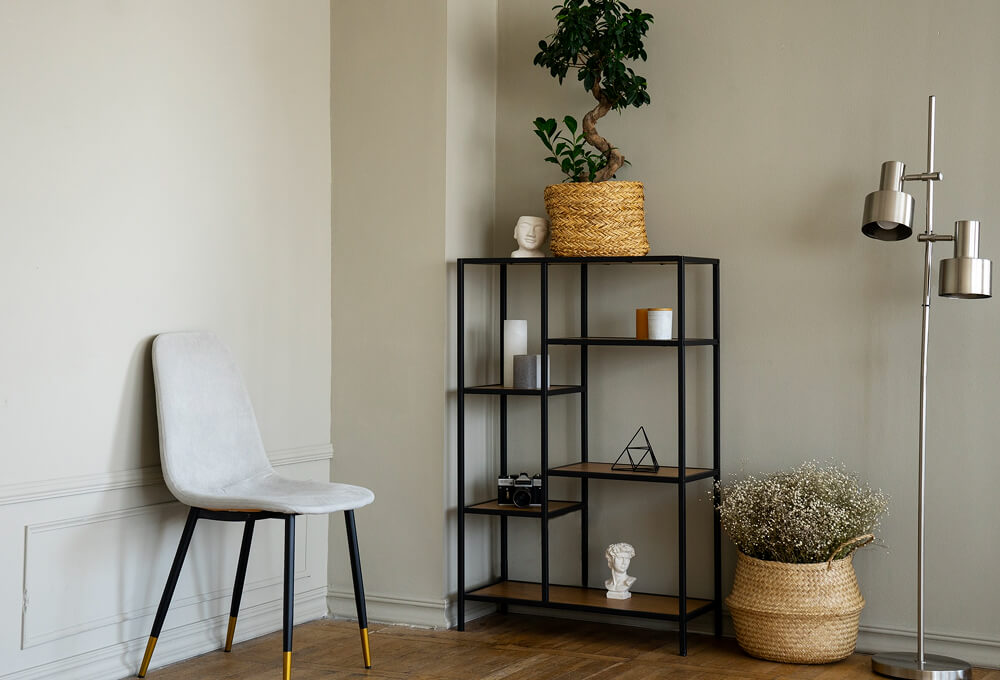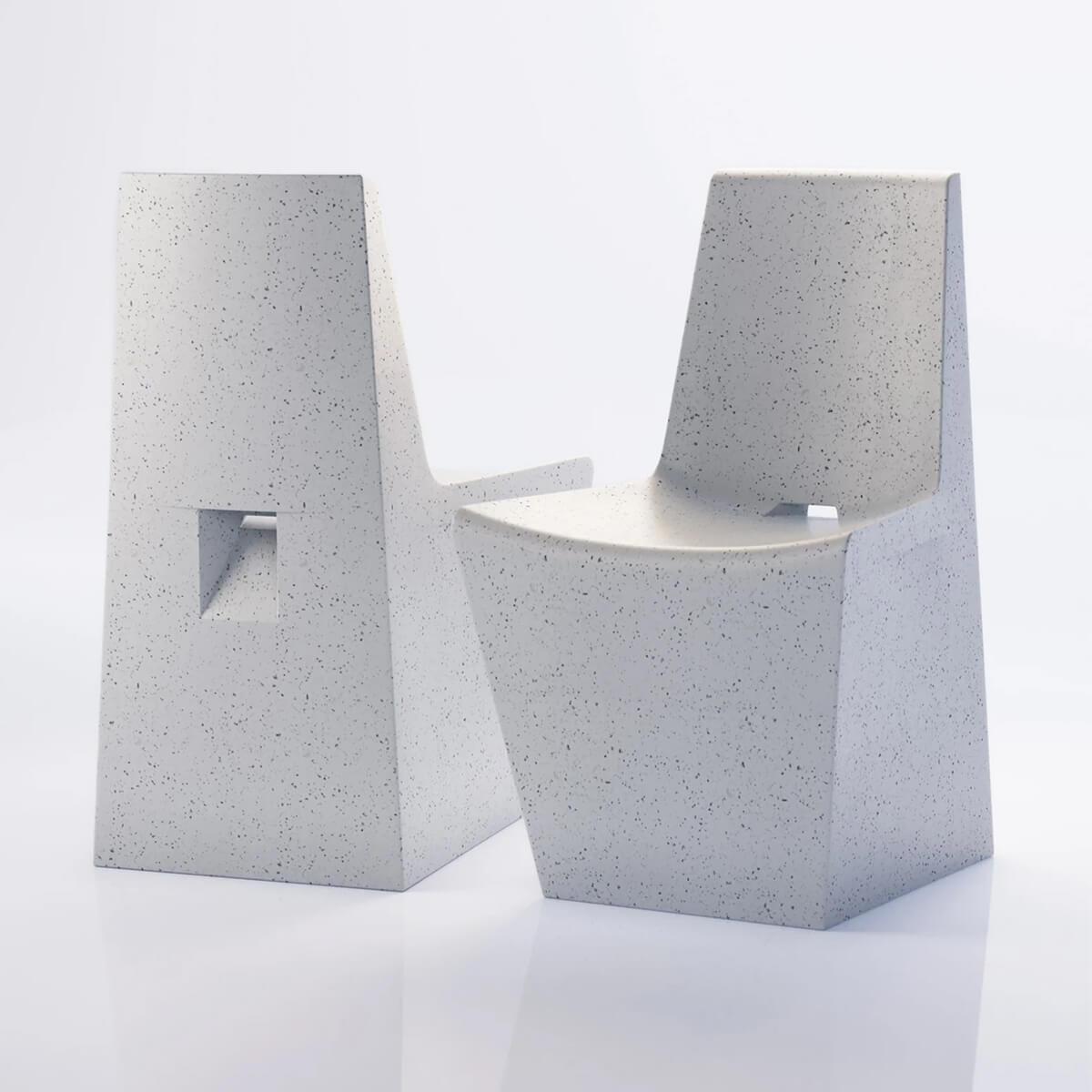
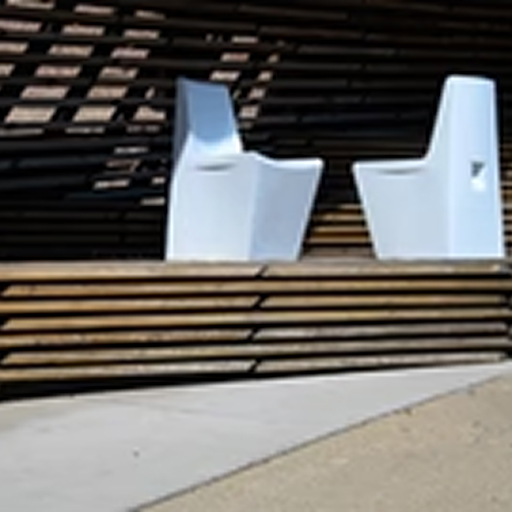

Ghế ăn Dewey

Bởi Zac Bitner cho Zachary A. Design
Giao hàng có thời gian chờ
40.453.000 VND
Thời gian chờ trung bình: 6-12 tuần i
SKU R-ZACH-092207
  • Chúng ta có không? Chúng ta có. Còn bạn thì sao?
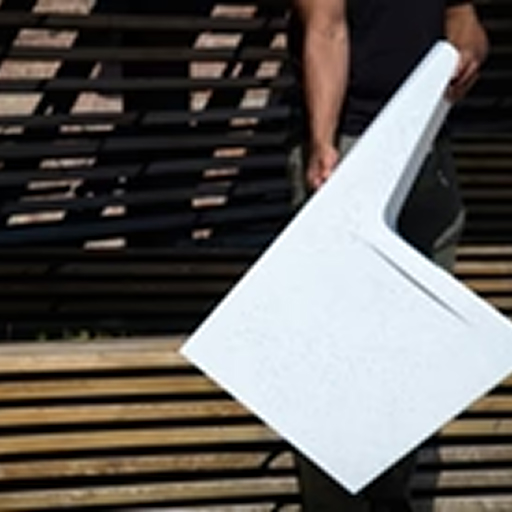
  • Dewey là biểu hiện của mong muốn tạo ra những vật dụng đẹp, chức năng mà siêu nhẹ, được làm từ “STONE”™.
  • Dewey có thể xử lý mọi thứ. Mưa, Nắng, Tuyết. Nhẹ hơn bao giờ hết với tay cầm được tích hợp hoàn hảo. Một lỗ thoát nước được kết hợp với tay cầm để tăng thêm tính năng. Bạn sẽ ngạc nhiên mỗi lần cầm lên.
This is the second item’s accordion body. It is hidden by default, until the collapse plugin adds the appropriate classes that we use to style each element. These classes control the overall appearance, as well as the showing and hiding via CSS transitions. You can modify any of this with custom CSS or overriding our default variables. It’s also worth noting that just about any HTML can go within the .accordion-body, though the transition does limit overflow.
This is the third item’s accordion body. It is hidden by default, until the collapse plugin adds the appropriate classes that we use to style each element. These classes control the overall appearance, as well as the showing and hiding via CSS transitions. You can modify any of this with custom CSS or overriding our default variables. It’s also worth noting that just about any HTML can go within the .accordion-body, though the transition does limit overflow.

Cần giúp đỡ?

This is the first item’s accordion body. It is shown by default, until the collapse plugin adds the appropriate classes that we use to style each element. These classes control the overall appearance, as well as the showing and hiding via CSS transitions. You can modify any of this with custom CSS or overriding our default variables. It’s also worth noting that just about any HTML can go within the .accordion-body, though the transition does limit overflow.
This is the second item’s accordion body. It is hidden by default, until the collapse plugin adds the appropriate classes that we use to style each element. These classes control the overall appearance, as well as the showing and hiding via CSS transitions. You can modify any of this with custom CSS or overriding our default variables. It’s also worth noting that just about any HTML can go within the .accordion-body, though the transition does limit overflow.
This is the third item’s accordion body. It is hidden by default, until the collapse plugin adds the appropriate classes that we use to style each element. These classes control the overall appearance, as well as the showing and hiding via CSS transitions. You can modify any of this with custom CSS or overriding our default variables. It’s also worth noting that just about any HTML can go within the .accordion-body, though the transition does limit overflow.

Không tìm thấy câu trả lời của bạn?

Liên hệ với chúng tôi tại đây:

Mọi thứ mà ngôi nhà của bạn xứng đáng

Đăng ký báo giá nhanh
chóng từ chúng tôi

Email:

companycontact@gmail.com

Số điện thoại:

090 11 98 100

Địa chỉ (Tp. Hồ Chí Minh):

Số 83, Đường D4, Him Lam, P. Tân Hưng, Tp. Hồ Chí Minh

Địa chỉ (Long An):

Shop 59, Đường D8, Aquaria, Waterpoint, Bến Lức, Long An

Theo dõi trên:

Các Bài viết khác

Thiết kế vì con người: Khi không gian trở thành nơi nuôi dưỡng cảm xúc

Thảm Ký Ức Dệt trong nội thất thường chỉ những tác phẩm thảm nghệ thuật có xuất xứ từ các nền văn hóa lâu đời, được chế tác qua quy trình thủ công tinh xảo bằng vật liệu truyền thống như len, acrylic hoặc các sợi tự nhiên khác, vừa mang giá trị thẩm mỹ vừa lưu giữ các ký ức văn hóa, lịch sử.

Thiết kế vì con người: Khi không gian trở thành nơi nuôi dưỡng cảm xúc

Thảm Ký Ức Dệt trong nội thất thường chỉ những tác phẩm thảm nghệ thuật có xuất xứ từ các nền văn hóa lâu đời, được chế tác qua quy trình thủ công tinh xảo bằng vật liệu truyền thống như len, acrylic hoặc các sợi tự nhiên khác, vừa mang giá trị thẩm mỹ vừa lưu giữ các ký ức văn hóa, lịch sử.

Thiết kế vì con người: Khi không gian trở thành nơi nuôi dưỡng cảm xúc

Thảm Ký Ức Dệt trong nội thất thường chỉ những tác phẩm thảm nghệ thuật có xuất xứ từ các nền văn hóa lâu đời, được chế tác qua quy trình thủ công tinh xảo bằng vật liệu truyền thống như len, acrylic hoặc các sợi tự nhiên khác, vừa mang giá trị thẩm mỹ vừa lưu giữ các ký ức văn hóa, lịch sử.

Thiết kế vì con người: Khi không gian trở thành nơi nuôi dưỡng cảm xúc

Thảm Ký Ức Dệt trong nội thất thường chỉ những tác phẩm thảm nghệ thuật có xuất xứ từ các nền văn hóa lâu đời, được chế tác qua quy trình thủ công tinh xảo bằng vật liệu truyền thống như len, acrylic hoặc các sợi tự nhiên khác, vừa mang giá trị thẩm mỹ vừa lưu giữ các ký ức văn hóa, lịch sử.

Thiết kế vì con người: Khi không gian trở thành nơi nuôi dưỡng cảm xúc

Thảm Ký Ức Dệt trong nội thất thường chỉ những tác phẩm thảm nghệ thuật có xuất xứ từ các nền văn hóa lâu đời, được chế tác qua quy trình thủ công tinh xảo bằng vật liệu truyền thống như len, acrylic hoặc các sợi tự nhiên khác, vừa mang giá trị thẩm mỹ vừa lưu giữ các ký ức văn hóa, lịch sử.

Thiết kế vì con người: Khi không gian trở thành nơi nuôi dưỡng cảm xúc

Thảm Ký Ức Dệt trong nội thất thường chỉ những tác phẩm thảm nghệ thuật có xuất xứ từ các nền văn hóa lâu đời, được chế tác qua quy trình thủ công tinh xảo bằng vật liệu truyền thống như len, acrylic hoặc các sợi tự nhiên khác, vừa mang giá trị thẩm mỹ vừa lưu giữ các ký ức văn hóa, lịch sử.

×
Ask Dezon